

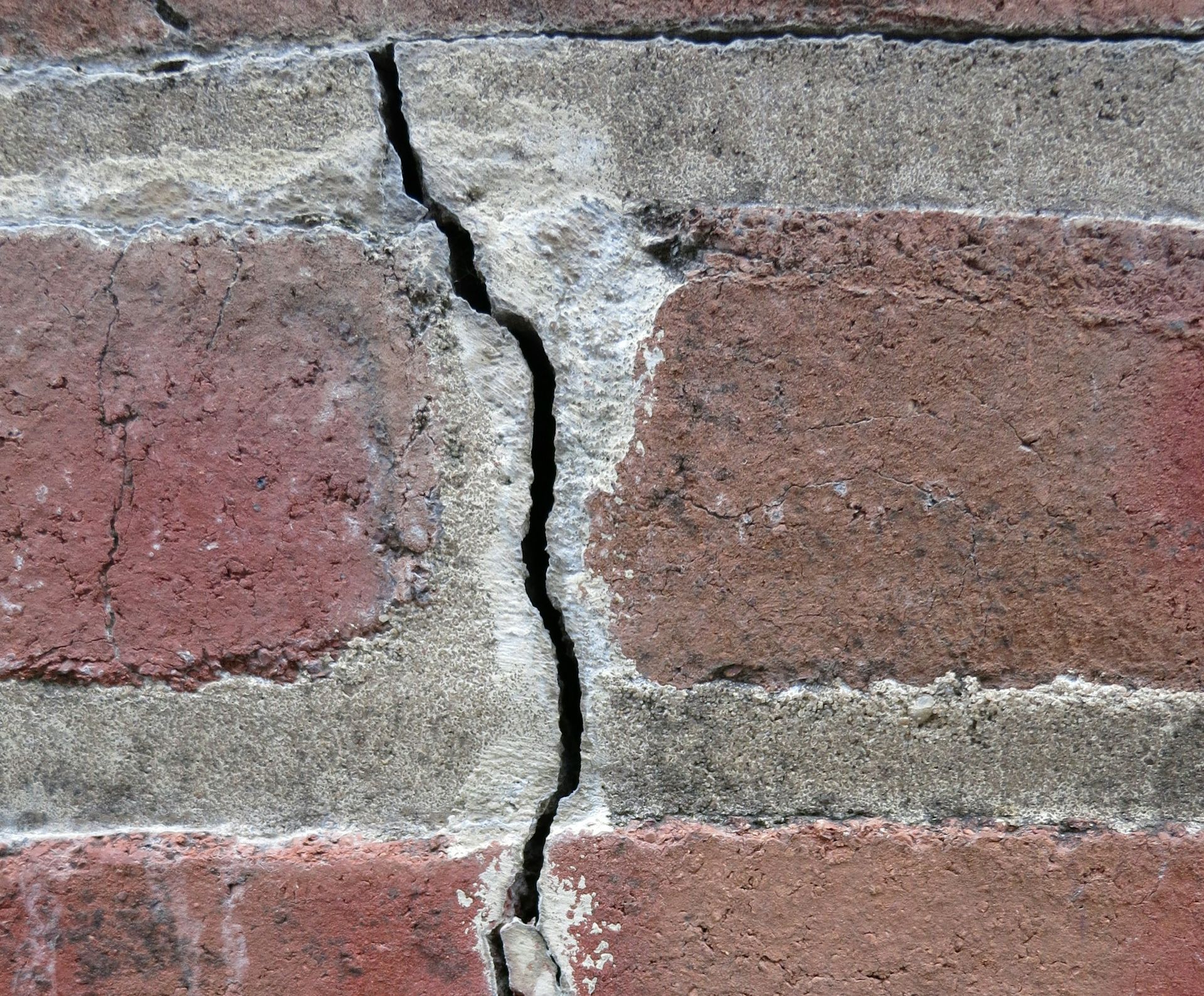
Major property renovations can reveal problems that were not apparent before construction began. Removing internal finishes, opening up walls or exposing existing foundations may uncover defects that have developed over many years. These can range from deteriorating timber and damaged masonry to movement within the building’s structure.
Discovering an unexpected structural problem can be concerning, particularly when significant time and money have already been committed to a renovation. However, identifying the issue during construction provides an opportunity to investigate it properly and establish what work may be required.
The important thing is understanding the cause of the problem before deciding how to address it. At Mac & Burg, we undertake substantial house renovations and property refurbishments across Hertfordshire, Bedfordshire and Buckinghamshire. Our construction experience gives us an understanding of the challenges that can arise when working with existing buildings.
Making the Affected Area Safe
When a potentially serious structural defect is discovered, the immediate priority is safety. Depending on the nature of the issue, work in the affected area may need to stop while the building’s condition is assessed.
For example, removing internal finishes might expose deteriorated structural timber, significant cracking or masonry that appears unstable. Continuing with construction before understanding the implications could create additional risks, particularly if the affected element supports part of the building.
Temporary support or other protective measures may be necessary, but the appropriate response depends on the condition of the structure. Where structural stability is in question, an appropriately qualified structural engineer should assess the issue and advise on any necessary investigations or remedial work. This provides a sound basis for deciding how the project should proceed.
Understanding the Cause of the Problem
Visible damage does not always reveal the underlying cause of a structural issue. Cracking in masonry, for example, can have several explanations. Some cracks may be associated with historic movement or relatively minor defects, while others may indicate a more significant problem.
Similarly, deteriorating timber may result from prolonged moisture exposure, inadequate ventilation or other conditions that need to be addressed alongside the damaged material.
A structural assessment may involve examining the affected area, reviewing the building’s construction and recommending further investigations where necessary. For some properties, this could include opening up additional sections of the structure or assessing the condition of foundations. The objective is to establish what has caused the defect and whether it is ongoing.
Repairing visible damage without addressing its underlying cause may leave the property vulnerable to further problems. This is particularly important during period property renovations, where previous alterations, ageing materials and different construction methods can make existing buildings more complex to assess.
Reviewing the Impact on the Renovation
Once the problem has been investigated, the next step is understanding what it means for the wider renovation. Some defects may be relatively straightforward to address. Others can require changes to the proposed construction work, additional materials or specialist repairs.
The extent of the work will influence the potential impact on costs and timescales. For example, replacing a damaged structural element may affect surrounding construction work, particularly where new openings or alterations were already planned. More substantial issues could require revisions to structural details or changes to the sequence of work.
This is why a sensible contingency allowance is important when budgeting for a major property renovation. Even with thorough preparation and surveys, some defects only become visible once construction is underway. A contingency cannot prevent unexpected problems, but it can help provide financial flexibility if additional work becomes necessary.
Clear communication is equally important. Property owners should understand the nature of the issue, the proposed solution and any changes to the agreed scope, budget or programme before additional work proceeds.
Planning the Appropriate Structural Repairs
The correct repair depends on the nature and cause of the defect. There is no single solution that applies to every structural problem.
Where masonry has deteriorated, repairs may involve replacing damaged sections or undertaking more extensive rebuilding. Problems affecting structural timber may require repairs or replacement, depending on the condition of the material and its role within the building. If movement or damage affects the foundations, further investigation may be needed before a suitable solution can be established.
Underpinning is sometimes used to address particular foundation problems, but it is not appropriate or necessary in every case. Any structural repair should follow the relevant professional assessment and design requirements.
Depending on the work involved, Building Regulations approval or building control inspections may also be required. For listed buildings or properties subject to other restrictions, additional consent may be necessary before certain alterations can proceed.
Taking the time to establish the correct approach helps ensure repairs address the underlying issue rather than simply concealing the visible damage.
The Importance of Experienced Construction Teams
Structural problems can affect several aspects of a renovation, particularly when repairs need to be coordinated with work that is already underway. An experienced construction team can help manage the practical implications, including changes to the construction sequence and the involvement of relevant specialists.
For substantial renovations, this may involve coordinating structural alterations, masonry work, foundations and the subsequent rebuilding of affected areas. Mac & Burg provides a range of construction services, including brickwork and groundworks, alongside major residential renovations and refurbishments.
Around 90% of our build is kept in house, giving us close involvement in the construction process and the work carried out across our projects. Where specialist structural assessment or design is required, the appropriate professionals need to be involved before remedial work proceeds.
This combination of practical construction experience and suitable technical input is important when dealing with unexpected problems in existing buildings.
Continuing With the Renovation
Once the necessary repairs have been agreed and completed, work can progress in line with the updated construction requirements. Depending on the issue, the original renovation plans may remain largely unchanged. In other cases, adjustments to the design or programme may be necessary.
For projects involving substantial internal alterations or large house extensions, structural repairs may need to be coordinated with new openings, supporting steelwork or changes to the existing building. This makes communication between the construction team, structural engineer and other relevant professionals particularly important.
Addressing unexpected defects properly can also provide greater confidence in the condition of the building as the renovation progresses. Rather than covering over an existing problem, the project can move forward with a clearer understanding of the structure and the work required.
Reducing the Risk of Unexpected Problems
Not every hidden defect can be identified before a renovation begins, but appropriate preparation can help reduce uncertainty. For older properties or buildings undergoing significant structural alterations, a detailed assessment of the existing condition can be particularly valuable.
Depending on the project, this may involve a building survey, structural assessment or targeted investigations before construction starts. Reviewing previous alterations, visible cracking, signs of damp and the condition of accessible structural elements may also help identify areas requiring closer attention.
The findings can inform the proposed design, construction approach and budget. For major renovations, investing time in understanding the existing building before work begins can help avoid making assumptions that later prove costly.
Planning a Major Property Renovation?
Unexpected structural problems are one of the challenges that can arise when renovating an existing property. The most effective response is to establish the cause, obtain appropriate technical advice and agree the necessary work before construction continues.
At Mac & Burg, we deliver substantial property renovations and refurbishments, including complete home modernisations and major structural alterations. We also undertake large house extensions and wider residential construction projects across Hertfordshire, Bedfordshire and Buckinghamshire.
Our focus is on delivering high-quality building work, with the practical experience needed to manage complex construction projects. Contact Mac & Burg on 07866 592 771 to discuss your renovation or refurbishment project.